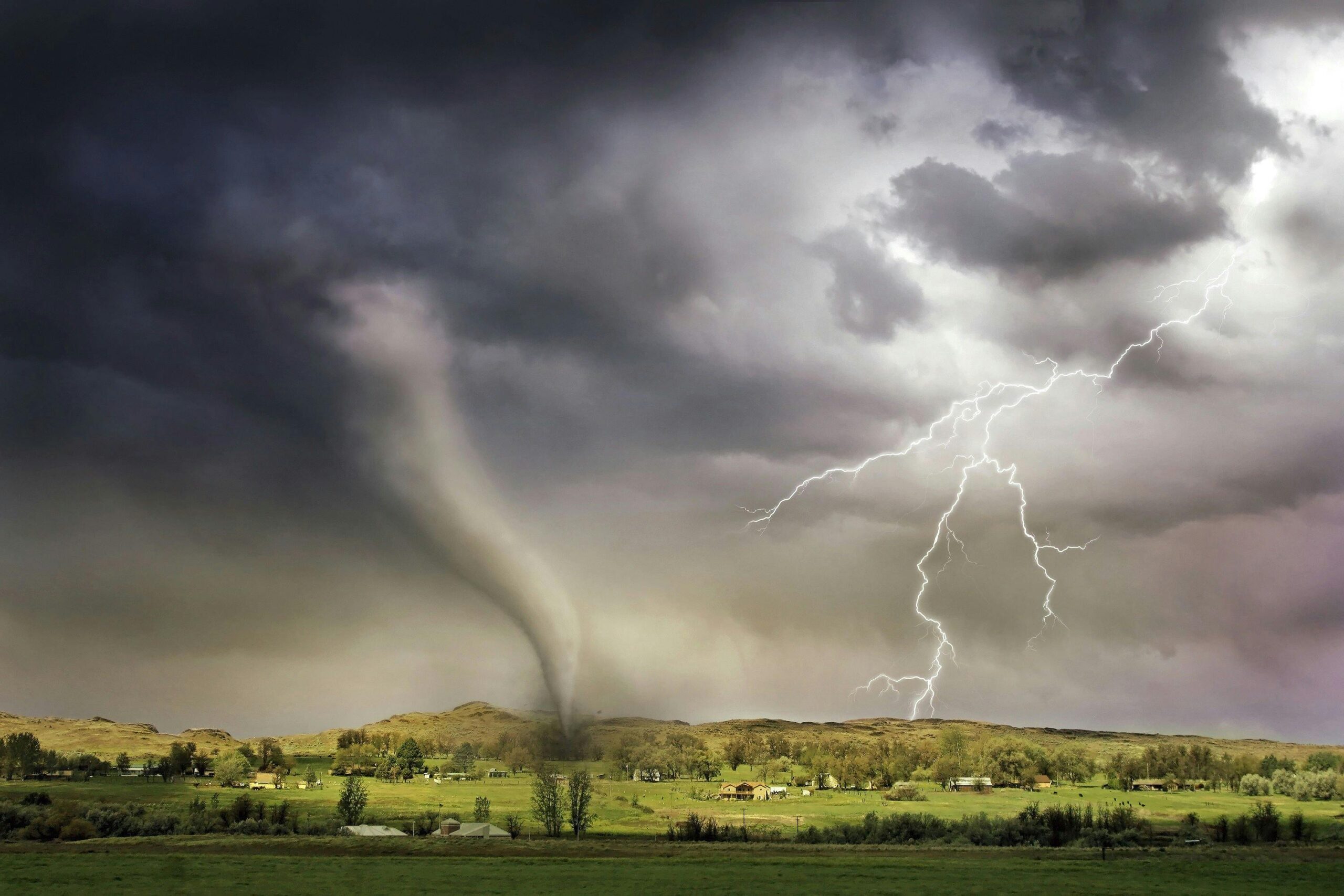
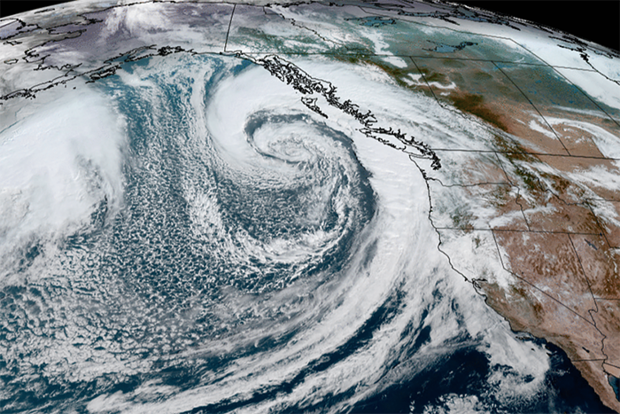
When we think of weather systems that bring heavy rain, thunderstorms and hurricanes often come to mind. But one of the most powerful—and sometimes most overlooked—drivers of intense precipitation is something you can’t see on a weather map as easily: the atmospheric river.
What Exactly Is an Atmospheric River?
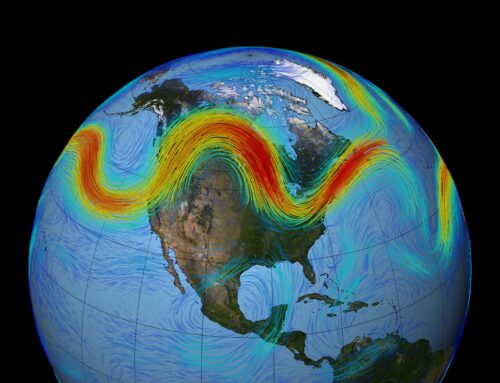
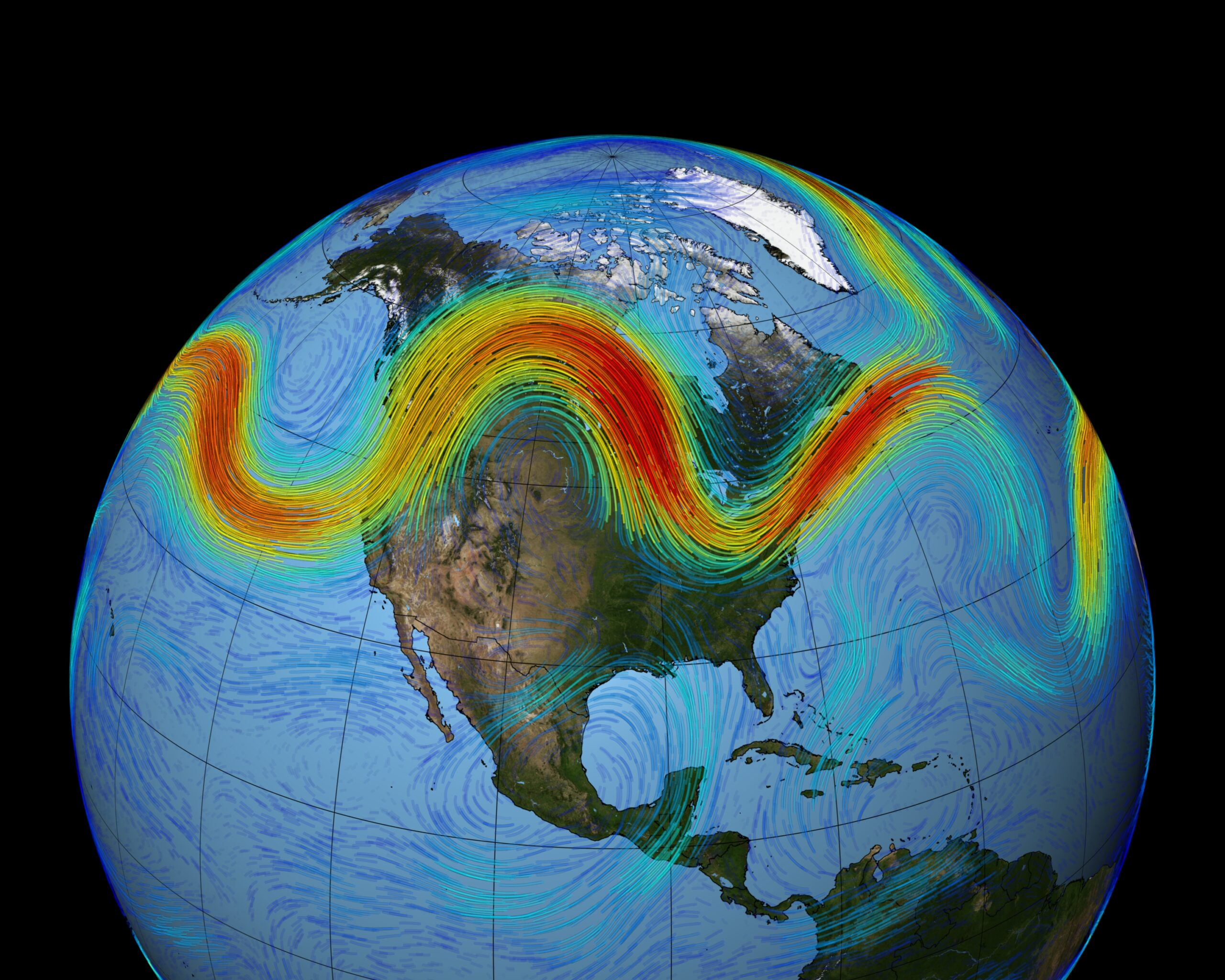
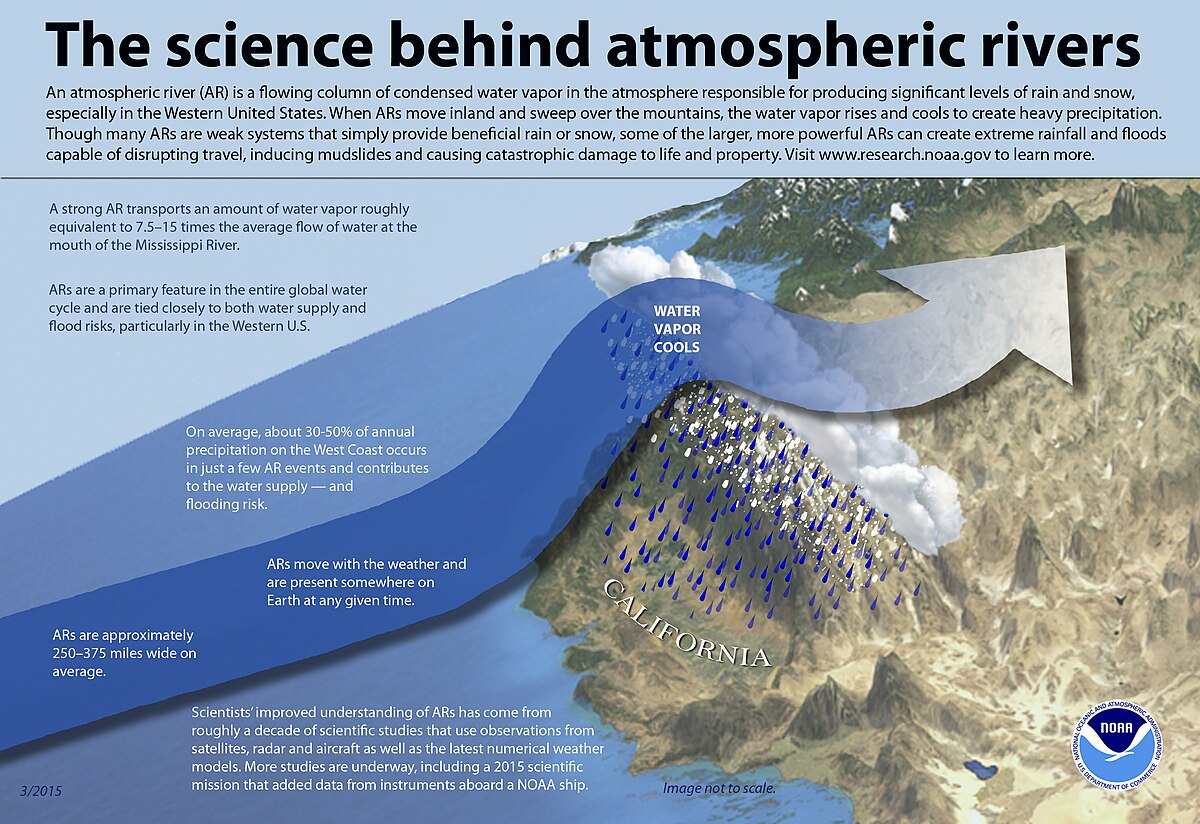
An atmospheric river (AR) is a long, narrow band of moisture traveling through the sky like a river made of water vapor. These “rivers in the sky” can stretch thousands of miles, often from tropical regions toward higher latitudes. Despite being only a few hundred miles wide, they can transport as much moisture as the Amazon River—but in vapor form.
When an atmospheric river hits land, especially mountainous coastlines like the U.S. West Coast, that moisture cools and condenses, often resulting in days of heavy rain or snowfall.
Where Do Atmospheric Rivers Occur?
They occur all over the world, but they are especially impactful along:
-
The western coasts of continents
-
Areas with nearby mountain ranges (which squeeze the moisture out)
In the U.S., California sees several atmospheric rivers each winter. Some are weak and beneficial—others are strong and destructive.
The Good and the Bad
Atmospheric rivers aren’t always a threat. In fact, they’re a vital part of Earth’s water cycle:
Benefits
-
Critical water supply — ARs help recharge reservoirs, maintain snowpack, sustain groundwater, and support ecosystems. In many mid-latitude coastal regions, ARs deliver a substantial portion of annual precipitation.
-
Support for agriculture & hydropower — The water from AR-driven precipitation supports farming, municipal water needs, and hydroelectric systems.
-
Natural climate regulation — Atmospheric rivers are a core mechanism in the global water cycle and energy transport system, helping redistribute moisture and heat across latitudes.
Risks & Negative Impacts
-
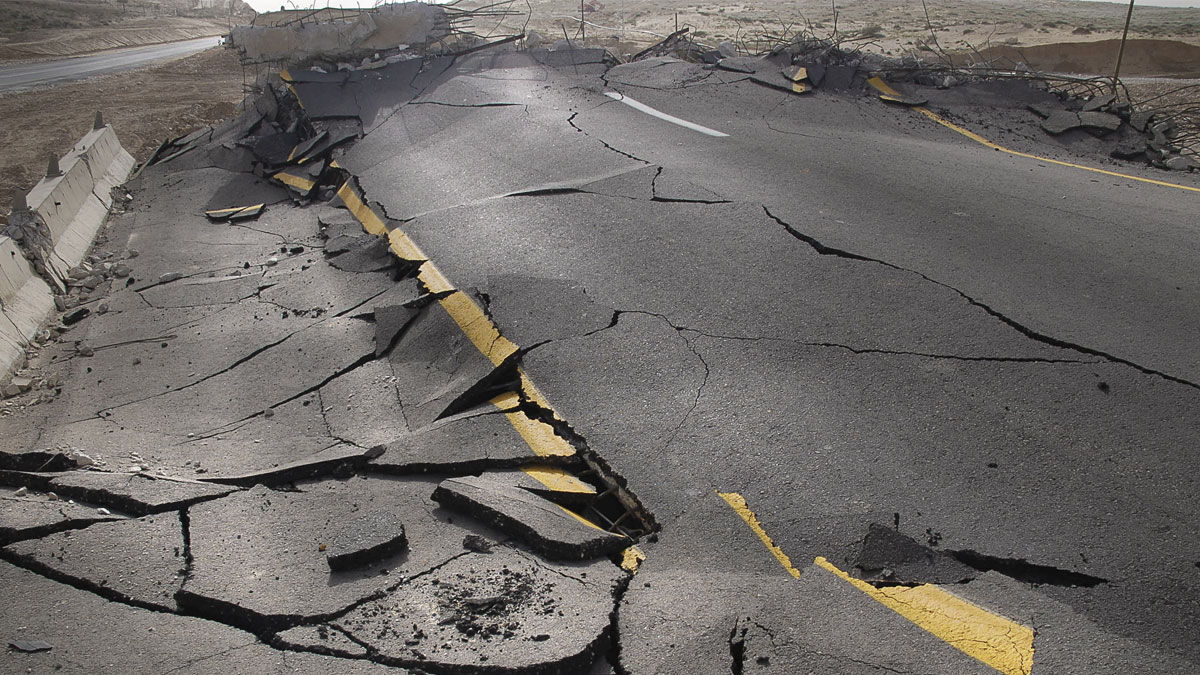
Flooding & flash floods — Heavy, sustained rainfall can overwhelm rivers, drainage systems, and urban infrastructure, leading to floodwaters rising rapidly.
-
Landslides and mudslides — Especially in mountainous or steep terrain, saturated soils from sustained precipitation increase risk of landslides or debris flows.
-
Heavy snow & avalanche danger — In colder, higher-elevation areas, ARs can produce rapid snowfall — or even heavy snow-plus-rain combos — triggering avalanche risks or snowmelt flooding.
-
Wildfire-related landslide risks — In regions recently burned by wildfires, soils can lose stability; heavy rain from an AR can trigger debris flows in those unstable zones. (Note: this is a broader hazard often linked with AR-driven precipitation in affected areas.)
In short: what begins as a critical source of water can quickly transform into a potent hazard when conditions align.
A Changing Climate’s Role
Recent research suggests that as the planet warms, these “rivers in the sky” may change in ways that increase both their benefits as well as their risks.
-
Warmer air can hold more moisture, increasing the potential amount of water vapor carried by ARs.
-
That means future ARs could become wetter and more intense, with the potential for heavier rain or snow — increasing flood and landslide hazards.
-
However, the variability of where and when they land, and whether precipitation falls as rain or snow (which affects runoff and water storage), adds complexity to managing water resources and hazards.
Because of these changing dynamics, improved forecasting and climate-resilient infrastructure are becoming increasingly important.
Looking Ahead
Atmospheric rivers are a powerful and dynamic part of Earth’s climate system: vital for water supply, snowpack, ecosystems, and climate regulation — yet capable of unleashing destructive floods, landslides, and infrastructure damage. As climate patterns shift, these “rivers in the sky” will likely play an even bigger role in both nourishing and challenging the regions they touch. Understanding them — and planning accordingly — will be key to building a resilient future.