Free Ground Shipping on All Orders – 100% Satisfaction Guarantee

Sign in to like and rate

Maintaining proper humidity is one of the most important factors in creating the right environment for wine storage. Humidity directly influences the condition of the cork, the overall quality of the wine, and even the appearance of the bottle itself. Let’s take a closer look below.
A natural cork relies on moisture in the air to remain flexible and properly expanded inside the bottle neck. If the humidity drops too low, the cork may begin to dry out and lose its seal. This can allow oxygen to seep into the bottle, which disrupts the aging process and increases the risk of spoilage. Keeping humidity within the recommended range ensures that corks stay intact and effective.
Wine is highly sensitive to oxygen exposure. A compromised cork caused by insufficient humidity can lead to premature oxidation, which changes the flavor and aroma of the wine. On the other hand, excessive humidity can encourage mold growth that may affect the cork or surrounding storage materials. By maintaining proper humidity, you create an environment that allows wine to develop complexity and character over time without unwanted defects.
The condition of a wine label is important both for identification and for maintaining a bottle’s value. High humidity can cause labels to peel, smudge, or grow mold, making them difficult to read or less attractive to collectors. Proper humidity helps preserve the label so the bottle remains in good condition for long-term storage or resale.
Low humidity increases the rate of evaporation through the cork, which lowers the liquid level in the bottle and alters the balance of the wine. Over time, this evaporation, sometimes referred to as ullage, can negatively affect both taste and aging potential. Stable humidity reduces evaporation and helps the wine remain consistent until it is opened and enjoyed.
The ideal relative humidity for a wine cellar is around 60%, with an acceptable range between 50% and 70%. Some degree of humidity is required to keep wines utilizing a cork from drying out. Even when wine bottles are stored on their sides, one side of the cork is still exposed to air. If the cork begins to dry out, it can allow oxygen to enter the bottle, and possibly causing the wine to spoil or oxidize. Excessive humidity can also pose the risk of damaging wine labels, which may hinder identification or hurt potential resale value.
The ideal temperature for a wine cellar is between 50°F and 60°F, with consistency being just as important as the exact number. Wine is very susceptible to changes in temperature, making temperature control a key factor in proper storage. If wine is exposed to elevated temperatures for extended periods of time, it may spoil or develop an off taste. The exact length of time that wine is at risk of exposure to elevated temperatures varies depending on the wine. If the wine is exposed to temperatures that are too cold, the wine can freeze and expand, causing the cork to be pushed out allowing more oxygen to filter into the bottle. Dramatic temperature swings can also cause adverse chemical reactions in the wine that may lead to a variety of wine flaws.
The storage condition of the bottled wine will influence a wine’s aging. Vibrations and heat fluctuations can hasten a wine’s deterioration. Wine, in general, has a greater potential to develop complexity and a more aromatic bouquet if it is allowed to age slowly in a cool environment. The lower the temperature, the more slowly a wine develops.
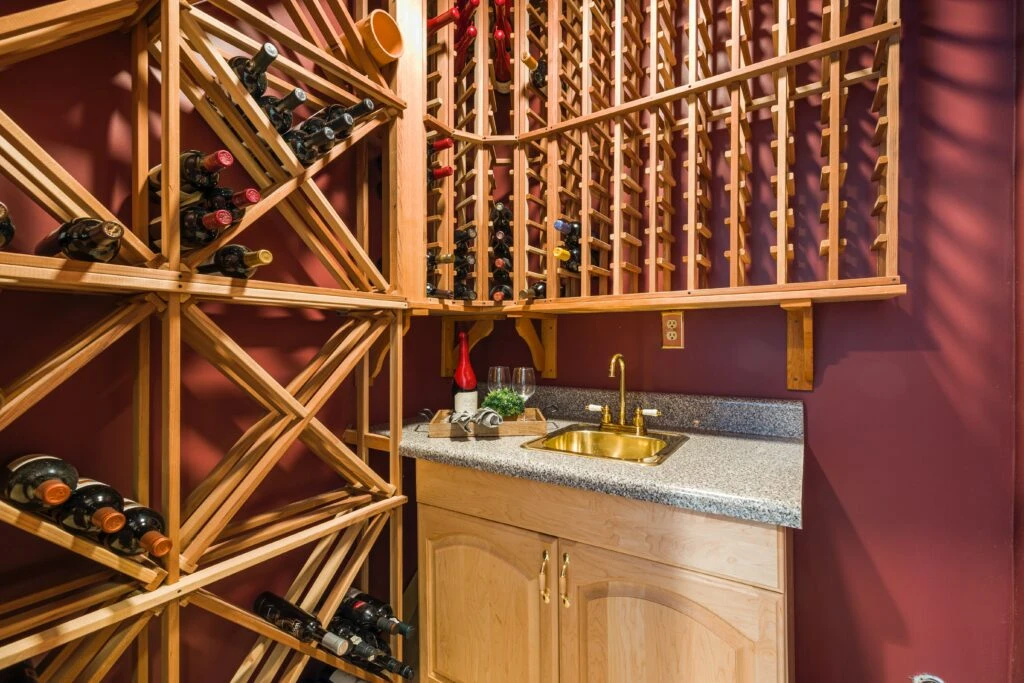
Wine requires a stable environment where temperature and humidity work together to protect both the cork and the wine inside. Too little humidity causes corks to dry out, while too much can damage labels or encourage mold. Similarly, temperatures that are too high or too low can lead to spoilage, premature aging, or even freezing. The chart below provides a simple overview of the recommended ranges for safe wine storage.
Ambient Temperature (°F) | Relative Humidity (%) | Storage Impact |
|---|---|---|
50–60°F (ideal) | 50–70% (ideal) | Best conditions for long-term storage and aging, corks remain sealed, wine develops complexity, labels are preserved. |
60–65°F | 50–70% | Acceptable for short- to mid-term storage, may accelerate aging if kept long term. |
Below 50°F | 50–70% | Risk of freezing or cork movement at very low temperatures, which can allow oxygen in. |
Above 65°F | 50–70% | Higher chance of premature aging or spoilage, risk increases as temperature rises. |
Any temperature | Below 40% | Too dry, corks may shrink and let oxygen in, increasing spoilage risk. |
Any temperature | Above 75% | Too humid, mold and label damage are more likely even if corks stay moist. |
Key Takeaway: Aim for a consistent cellar temperature of 55°F and a relative humidity around 60%. This balance allows wines to age gracefully and remain protected over time.
If the humidity in a wine cellar rises above the recommended range, it can create problems for corks, wine labels, and overall storage conditions. The good news is that there are both professional and do-it-yourself methods available to help maintain balance.
Specialized solutions designed for long-term wine storage provide consistent results. These are often the most reliable methods for serious collectors or larger cellars.
For smaller collections or quick fixes, there are several approaches that can lower humidity without major installation. These methods are best for temporary use or supplemental control.
Yes, a wine cellar does need ventilation in order to maintain a stable and healthy storage environment. Proper airflow supports humidity and temperature control, reduces odors, and helps cooling equipment operate efficiently.
A well-ventilated cellar protects both the wine and the storage environment by addressing several key factors.
Keeping a cellar ventilated does not always require complex changes, but it should be managed carefully to avoid disrupting temperature or humidity balance.
Keeping humidity within the proper range is an essential part of protecting your wine collection. Fortunately, there are several reliable methods that can help you create balance. Some are simple and inexpensive, while others involve more advanced equipment for long-term stability.
A hygrometer is a basic tool that measures humidity levels in the air. By placing one in your wine cellar, you can regularly check whether the environment is within the recommended 50 to 70 percent range. Monitoring is the first step to controlling humidity because it allows you to identify problems early and take action before wine quality is affected.
In cellars that are too dry, a humidifier can introduce the right amount of moisture back into the air. Standalone models can work for smaller storage areas, while larger cellars often benefit from humidifiers integrated with cooling systems. Keeping corks properly moistened helps prevent them from shrinking and losing their seal.
For a simple and inexpensive solution, placing a shallow tray of water in the cellar can help increase humidity in small spaces. As the water slowly evaporates, it adds moisture to the air. This method will not replace professional equipment in larger collections, but it can provide a helpful boost in smaller storage areas.
Proper insulation and sealing prevent unwanted air exchange that can disrupt humidity levels. Installing vapor barriers, sealing door gaps, and addressing any cracks in walls or flooring helps maintain stability. A well-sealed cellar not only improves humidity control but also supports consistent temperature management.
When humidity is consistently too high, a dehumidifier can remove excess moisture from the air. Portable models may be used for smaller spaces, while built-in systems are better suited for larger wine rooms. By lowering humidity, you can reduce the risk of mold growth and protect labels from deterioration.
When preserved correctly, wine can last for decades, or possibly centuries, increasing in value and quality. But poor storage can spoil even the best wines in the world. Here are some simple tips for storing wine effectively.
If your wine cellar is in a cool dry area of the home the short answer is yes. It is imperative to keep the humidity between 50% and 70% so the cork that seals the wine and is tasked with keeping oxygen away, is kept moist to properly expand and do its job.
A cooling unit alone cannot add moisture or humidify cellar air. It needs a humidifier. The best option is a humidifier combined with a cooling unit, so it operates and distributes the moisture evenly in the re-circulating air.
If you have a closet, basement, or wine cellar for storing wine, then purchasing a hygrometer such as our ComfortMinder for indoor humidity and temperature is a sound investment. It will enable you to measure the humidity in the enclosed space and correct too-moist or too-dry conditions.
Browse our entire humidity instrument catalog or contact us today for more information.
Please sign in to post a comment.