Free Ground Shipping on All Orders – 100% Satisfaction Guarantee

Sign in to like and rate
A rain gauge is a tool that measures how much rain falls in a certain area over a period of time. It works by collecting rainwater in a container and measuring how much water has accumulated. The measurement is usually given in millimeters.
Rain gauges are commonly constructed from durable materials such as plastic, glass, or metal. Plastic happens to be the most popular choice because of its affordability and resistance to corrosion while glass is preferred for its clarity. Metal gauges are the most sturdiest but can occasionally rust after extended exposure to outdoor elements.
The recommended diameter for a rain gauge is 8 inches. This size is standardized for use by the National Weather Service and is widely adopted worldwide to ensure consistent and accurate measurement of rainfall.
A rain gauge is a tool that helps us measure how much rain has fallen in a certain area. People like gardeners, farmers, and scientists use it to know how much water plants need, when to water crops, and to study weather patterns. It’s really useful for understanding how much water we have and how we can use it wisely. Let’s take a deeper dive into why rainfall monitoring is important.
Rainfall monitoring is crucial for several reasons:
1. Water Resource Management
Accurate rainfall data is crucial for managing water resources for household, agricultural, and industrial purposes. It also supports the design and operation of irrigation systems and the management of reservoirs and dams.
Monitoring rainfall allows authorities to forecast and reduce the risk of flooding. This is crucial for protecting lives and properties, particularly in areas susceptible to flooding.
Rainfall patterns are key indicators in climate studies. Tracking these patterns over time helps scientists understand changes in the climate and aids in modeling future weather conditions.
Farmers rely on rainfall data for planting and harvesting schedules, choosing crop types, and applying irrigation. This information is essential for maximizing crop yield and managing resources efficiently.
Regular monitoring of rainfall helps identify the early signs of drought, enabling timely responses such as water rationing or the implementation of drought management strategies.
The best place to install a rain gauge is an open area where it can accurately collect rainfall without any obstructions. Here are some key tips for positioning a rain gauge:
Let’s look into the three most common types of rain gauges below.
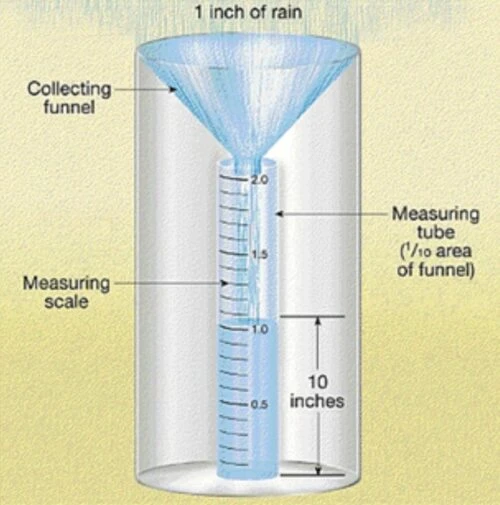
The recording of rainfall using the standard or funnel rain gauge is generally done manually. These gauges work by catching the falling rain in a funnel-shaped collector that is attached to a measuring tube. The area of the collector is 10 times that of the tube; thus, the rain gauge works by magnifying the liquid by a factor of 10.
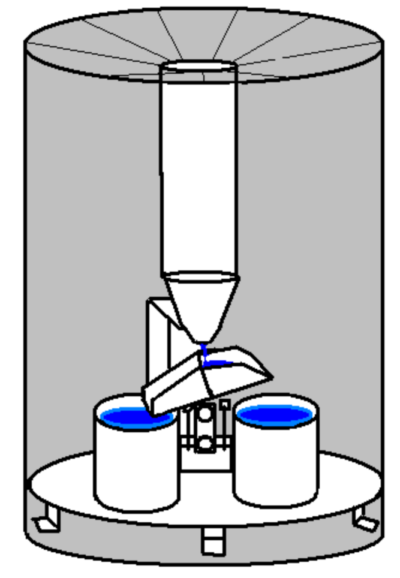
The operation of a tipping bucket rain gauge is quite different from the standard gauge. The receiving funnel leads to one of two small buckets. Filling of one bucket occurs at one-hundredth of an inch. The result is a “tipping” of the liquid into the outer shell of the gauge, triggering the second bucket to take its place. The process then repeats itself, allowing for precise measurement of rainfall intensity and amount. This gauge has become standard for wireless weather stations.
A rain gauge on a weather station works by collecting and measuring precipitation, typically in the form of rain. Here’s how it operates:
If you are interested in purchasing a rain gauge of your own, take a look through Maximum’s selection of rainfall instruments today. Or, if you have a question for a member of our team, be sure to contact us for more information.

Please sign in to post a comment.